Free TV in 4K? The Overlooked Antenna Trick Every Cord-Cutter Should Steal
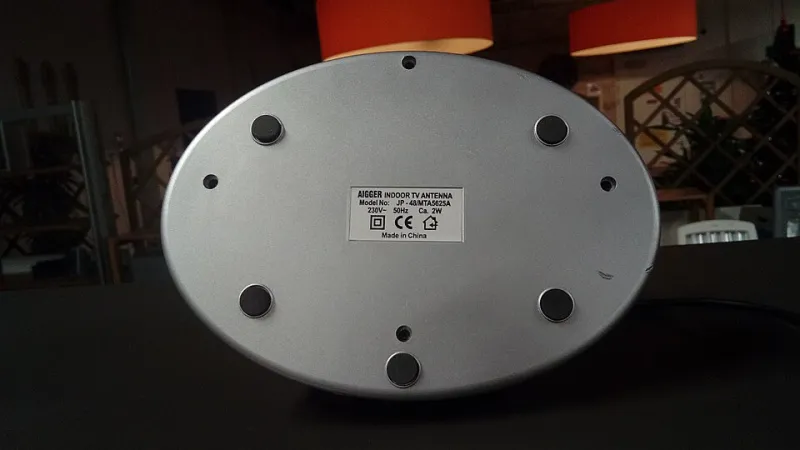
Photo: Donald Trung Quoc Don (Chữ Hán: 徵國單) - Wikimedia Commons - © CC BY-SA 4.0 International.(Want to use this image?)Original publication 📤: --Donald Trung 『徵國單』 (No Fake News 💬) (WikiProject Numismatics 💴) (Articles 📚) 19:27, 19 December 2019 (UTC), C
Here's an uncomfortable truth for the streaming generation: the best 4K picture in your house might not come from your $15-a-month app subscription. It might come from a $30 piece of plastic bolted to your wall.
Over-the-air (OTA) television is having a quiet renaissance, and most cord-cutters are sleeping on it. While streaming apps compress their feeds to save bandwidth — often delivering 15 to 25 Mbps 4K streams that pale next to a Blu-ray disc — your local NBC, CBS, ABC, and FOX affiliates are beaming out uncompressed or lightly compressed 4K signals over the airwaves. Free. No login. No throttling. No ISP in the middle.
Why the Antenna Picture Beats Your Streaming App
Streaming services juggle millions of simultaneous viewers, so they compress aggressively. A broadcast tower doesn't have that problem. With ATSC 3.0 — the new broadcast standard rolling out across the country — stations can deliver 4K HDR with Dolby Atmos audio using far less compression than any streaming service touches.
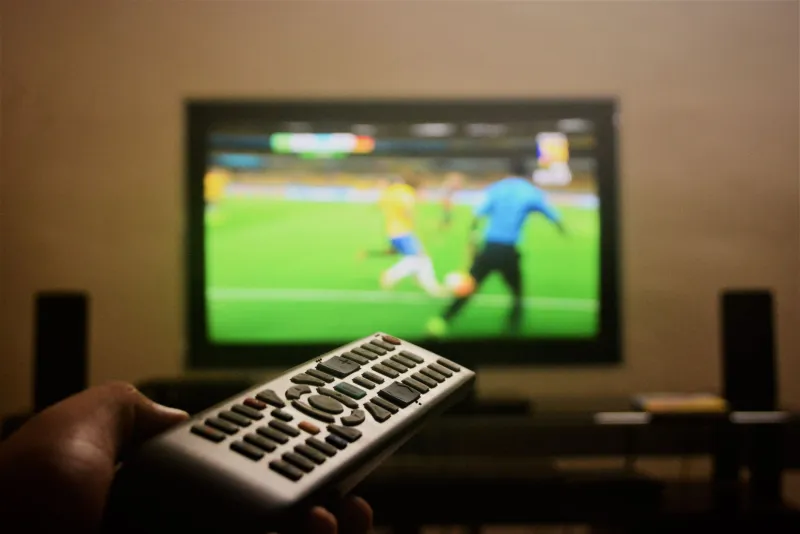
The practical difference is noticeable. Sports broadcasts over antenna look genuinely crisp: grass is grass, jersey numbers don't smear during motion, and fast camera pans don't dissolve into macro-blocking soup. If you've ever wondered why your streaming NFL feed looks softer than the TV at your local sports bar, that's compression at work.
Where ATSC 3.0 Has Actually Landed
NextGen TV, as the industry brands it, is live in a growing list of markets. The early rollout concentrated on big DMAs: Los Angeles, Chicago, Dallas–Fort Worth, Houston, Atlanta, Phoenix, Seattle, Denver, Miami, Philadelphia, and Washington D.C. all have substantial ATSC 3.0 station lineups. Mid-sized markets — Kansas City, Salt Lake City, Las Vegas, Nashville, and dozens more — have followed.
Check your status at a site like ATSC 3.0 station listings or plug your zip code into Rabbit Ears, the enthusiast wiki that tracks which stations broadcast in which format. If your market isn't there yet, don't despair: every ATSC 3.0 station still broadcasts a compatible signal, and even legacy ATSC 1.0 antennas deliver 1080i locals that beat compressed streaming.
One catch: most TVs sold in the US still don't have ATSC 3.0 tuners built in. Look for the NextGen TV logo if you're buying new, or grab an external tuner box like the SiliconDust HDHomeRun Flex 4K or a Zidoo-style tuner that pipes the signal to your existing setup.
The $30 Hardware Shopping List
You don't need much. A basic setup looks like this:
- An indoor antenna (Rabbit Ears-style flat panel or a Mohu Leaf clone) — $20 to $40. Works fine if you live within 30 miles of the broadcast towers.
- An outdoor antenna if you're further out — $40 to $80, plus a bit of coax and patience on a ladder.
- A tuner — your TV probably has one already (ATSC 1.0), or grab an HDHomeRun for networked, multi-room distribution.
Run a channel scan, and you'll typically pull in 30 to 60 subchannels: the big four affiliates, PBS, and a pile of niche networks like Antenna TV, MeTV, and Court TV. That's a shocking amount of content for zero monthly cost.
Building the Hybrid: Antenna Plus IPTV
Here's where the cord-cutting stack gets fun. An antenna handles your locals — live news, NFL on Sunday, primetime network shows — while your IPTV and streaming subscriptions handle everything else: cable originals, international channels, on-demand stuff, and the long tail.
Want DVR for your OTA channels? An HDHomeRun with a USB hard drive, or a Tablo tuner, records broadcasts to a local drive. No cloud fees, no storage caps, no recordings expiring because a licensing deal lapsed.
This hybrid approach also solves the biggest gap in most IPTV lineups: reliable local channel feeds. Even the best streaming services have spotty local coverage depending on your market. The antenna fills that hole permanently, with picture quality that embarrasses the paid alternatives.
The Bottom Line
For the price of two months of a streaming subscription, you get free, high-bitrate, often 4K local television for the life of the hardware. It's not retro. It's not a hipster throwback. It's the highest-quality, lowest-cost signal entering your home — and the missing piece in most cord-cutting setups.
Bolt it on. Scan the channels. Enjoy the best-looking picture in your house that nobody's charging you for.