The Real Cost of Watching Every Game in 2026 — Without Cable
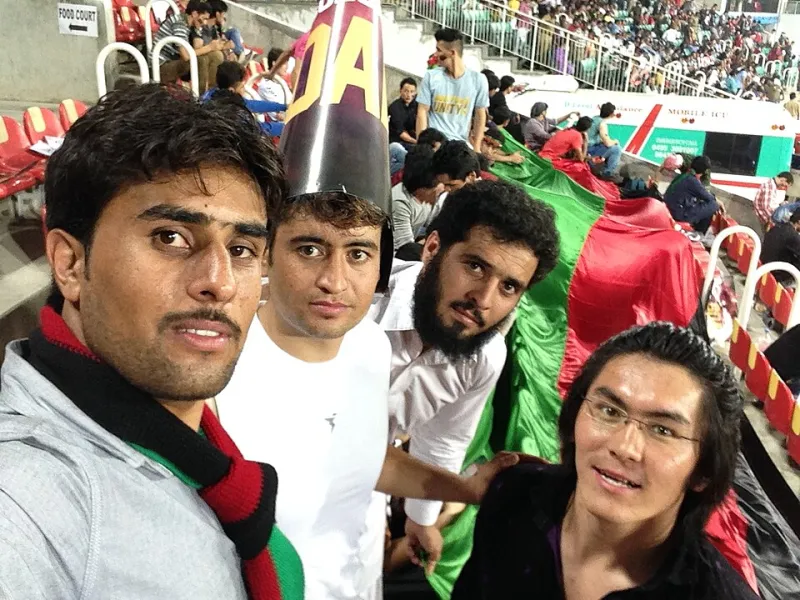
Photo: Ajazulhaq Afghan and my friends watching India vs Afghanistan final match of football in kerla India, CC BY-SA 4.0, via Wikimedia Commons
Ask a cable subscriber why they haven't cut the cord and you'll rarely hear about HBO or HGTV. You'll hear about the Cowboys, the Lakers, or the Yankees. Sports has been the cable industry's moat for two decades.
The moat has cracks now. With the right combination of league passes, an antenna for locals, and a couple of surgical add-ons, a dedicated fan can cover their team's entire season for a fraction of the cable bill — and in most cases, with better picture quality. Here's the league-by-league breakdown, including where fans get stuck and how to fix it.
NFL: The Easiest League to Cut For
The NFL has effectively solved cord-cutting. Sunday afternoon games on CBS and FOX come free over an antenna in glorious broadcast quality — often the highest-bitrate sports picture available in your home. Sunday Night Football (NBC/Peacock) and Monday Night Football (ABC/ESPN) hit the antenna or a cheap streaming tier.
The stack: antenna for locals, plus Amazon Prime Video for Thursday Night Football, plus Netflix for select Christmas games. Out-of-market fan? NFL Sunday Ticket on YouTube covers you at around $480 per season — steep, but split among a group of friends, it's manageable.
Annual cost: roughly $120–$600 depending on whether you need Sunday Ticket. A cable bundle with the same coverage runs $1,200+.
NBA: Where Local Rights Get Messy
Basketball is trickier because of regional sports networks (RSNs). League Pass is around $110 per season, but it blackouts in-market games — the exact ones you want.
The fix: check whether your team has moved to a direct-to-consumer streaming option. Several franchises have launched their own apps or partnered with streaming platforms after leaving RSNs, and more join every season. Monitor your team's official site at the start of the year. For in-market coverage of teams still on RSNs, an antenna won't help — but a skinny live TV bundle carrying your specific RSN beats full cable.
Annual cost: $110 League Pass plus $0–$300 for in-market solutions depending on your team's situation.
MLB: Surprisingly Cord-Cutter Friendly
Baseball fans have it best. MLB.TV runs about $150 per season for every out-of-market game, and like the NBA, in-market blackouts apply. But a growing number of teams now stream directly through the MLB app or Apple TV+ (Friday night games) and Roku Channel Sunday packages.
The troubleshooting tip nobody mentions: blackout rules are based on your billing zip code, not your GPS location, for most streaming services. Fans near market boundaries have legitimate options — check MLB's blackout map before assuming you're locked out.
Annual cost: around $150–$200.
College Sports: The Streaming-First Conference Era
College football and basketball have scattered across platforms: ESPN/ESPN+ ($11/month), Fox Sports via any live TV skinny bundle, Big Ten Network, and conference-specific apps. The Big Ten's presence on multiple platforms and the SEC's ESPN deals mean most fans need ESPN+ plus one live TV service carrying their conference's network.
Annual cost: roughly $350–$500 with a lean live TV bundle for fall Saturdays.
When the Stack Breaks: Common Problems
Since this is a troubleshooting column at heart, here are the failures you'll actually hit:
- Blackout confusion: Different services enforce different blackout rules. League Pass blackouts are separate from national broadcast exclusivity. Read the fine print per service, not per league.
- Antenna reception during playoffs: If your locals come in fuzzy, rescan channels and reposition the antenna — broadcast towers occasionally shift frequencies.
- Simultaneous stream limits: Most league passes allow one or two concurrent streams. Households with multiple fans should verify limits before kickoff, not during it.
- App reliability on game day: Peak traffic breaks weak platforms. If your service buffers every Sunday, the problem is the provider's capacity, not your internet — a recurring theme we've documented before.
The Bottom Line Math
A realistic all-in sports stack — antenna, NFL coverage, one league pass, and a lean live TV service — lands between $400 and $900 per year for most fans. The comparable cable package: $1,400 to $1,800, with more compression on every game.
The moat isn't just cracked. For fans willing to spend an afternoon assembling the right pieces, it's gone.