Streaming Overload: How Too Many 4K Platforms Are Quietly Ruining the Experience You Switched For
Remember the pitch? Ditch the cable box, grab a streaming stick, and watch whatever you want, whenever you want, in stunning 4K — all for a fraction of what you were paying your cable company. It was a great pitch. It was, for a while, even a great reality.
That was then.
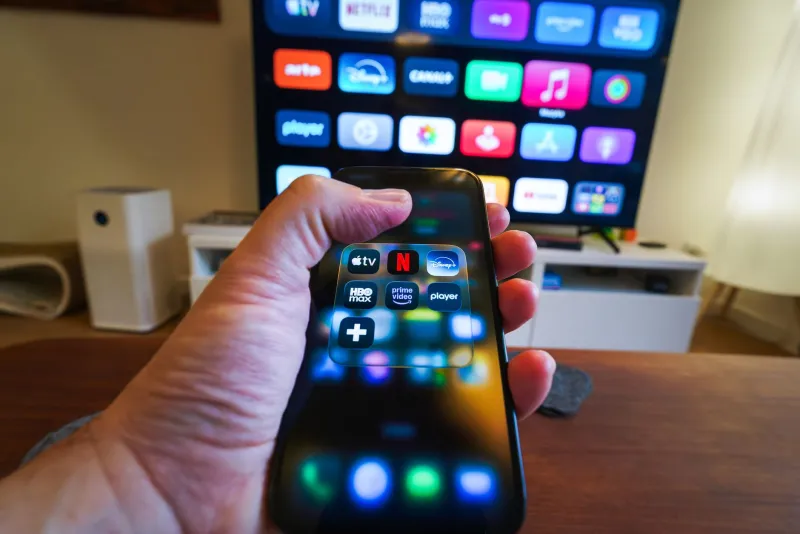
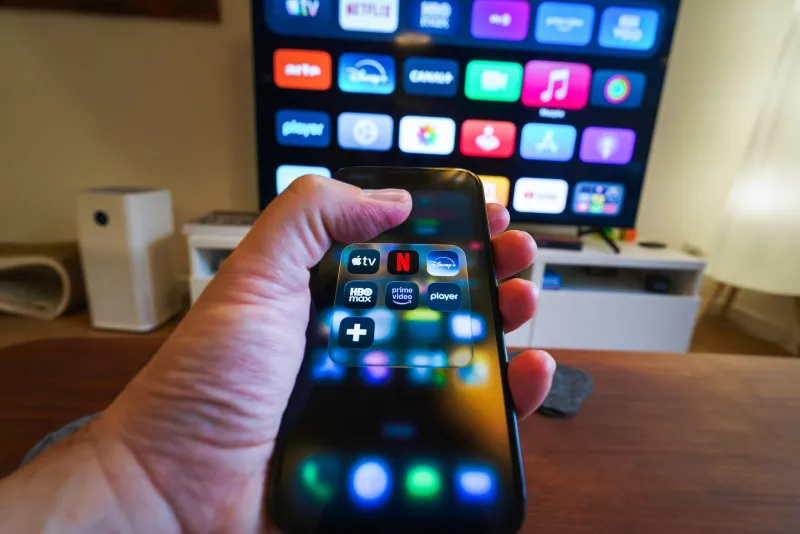
Today, the average US household subscribes to four or more streaming services. A meaningful chunk of cord-cutters are paying for six or seven. Add up those monthly charges — Netflix, Max, Peacock, Paramount+, Disney+, Apple TV+, Amazon Prime Video — and you're staring at a bill that would make your old cable package blush. And that's before we even talk about the 4K problem.
The 4K Content Scavenger Hunt
Here's the thing nobody tells you when you're setting up your shiny new 4K TV: not all 4K content lives in one place. It never has. Each platform has negotiated its own licensing deals, produced its own originals, and hoarded its own corner of the content universe. That sounds fine in theory — healthy competition, right? In practice, it means watching your favorite shows in actual 4K requires you to be subscribed to the right service at the right time.
Want The Last of Us in 4K HDR? That's Max. Stranger Things in Dolby Vision? Netflix. Thursday Night Football in 4K? You're on Amazon Prime. The Super Bowl? Depends on the year and which network has the rights. Sports rights alone have become a fragmented nightmare that would take a spreadsheet to track.
This is fragmentation, and it's not a bug — it's how these companies make money. Every exclusive 4K title is a reason to keep your subscription active.
The Subscription Math Nobody Wants to Do
Let's be honest about the numbers. Netflix's 4K plan runs around $22.99 a month. Disney+ with 4K and no ads is $13.99. Max's ad-free tier with 4K is another $15.99. You add Amazon Prime (which you're probably already paying for shipping anyway), Apple TV+, and Peacock Premium for live sports — and you're past $80 a month without blinking.
Compare that to the average cable bill Americans were paying before the cord-cutting wave: roughly $83 to $100 a month, depending on your market and package. We've circled right back to where we started, except now the remote control is an app, the channel guide is six different home screens, and you still can't find anything to watch.
The irony is thick enough to cut.
Decision Fatigue Is a Real Viewing Problem
There's a psychological cost here that doesn't show up in your bank statement. When you had cable, the experience was passive. You flipped channels. You stumbled onto things. You watched whatever was on. That was actually kind of freeing in its own low-effort way.
Now, every viewing session starts with a negotiation. Which app? Which profile? Is this show available in 4K on this service, or is it only HD here and 4K on a different platform? Did they move it? Did the licensing deal expire? Why is this showing as 1080p when I know my TV supports 4K?
Streaming researchers call this "choice paralysis" — the idea that too many options actively reduce satisfaction rather than increase it. Netflix's own internal data has reportedly shown that users who can't find something to watch within a few minutes often just close the app entirely. More choice, paradoxically, leads to less watching.
IPTV as the Antidote — With Caveats
This is part of why IPTV services have found such a passionate audience among serious cord-cutters. A quality IPTV provider consolidates live TV, on-demand content, and often international channels into a single interface with a single monthly payment. No app-switching. No hunting for which platform holds the rights this month. One remote, one guide, one bill.
The catch is that IPTV quality varies wildly. The good providers deliver genuine 4K streams with solid uptime and real customer support. The bad ones are a mess of buffering, dead links, and servers that go dark without warning. It's not a plug-and-play solution — you have to do your homework. But for users exhausted by subscription juggling, a well-chosen IPTV service can genuinely feel like getting your living room back.
The Bigger Question Worth Asking
So has streaming actually delivered on its promise? The honest answer is: partially. The technology is real — 4K HDR content looks genuinely incredible on a good display with a solid connection. The production quality of streaming originals has raised the bar for television storytelling in ways that are hard to argue with.
But the experience of navigating the modern streaming landscape? That's become as frustrating as anything cable ever threw at us. We traded one set of corporate gatekeepers for a dozen smaller ones, each demanding a monthly toll and a slice of your attention.
Cutting the cord was supposed to put viewers in control. And in some real ways, it did. But somewhere along the way, the platforms figured out how to take that control right back — one exclusive 4K title at a time.
The revolution isn't over. But it's definitely gotten more complicated.